



News 
 Location:
 Battery Swap Cabinets and Community Charging Emerge as Safety-Driven Standards
Author: admin Published: 2026-07-01 Views: 512
[Back]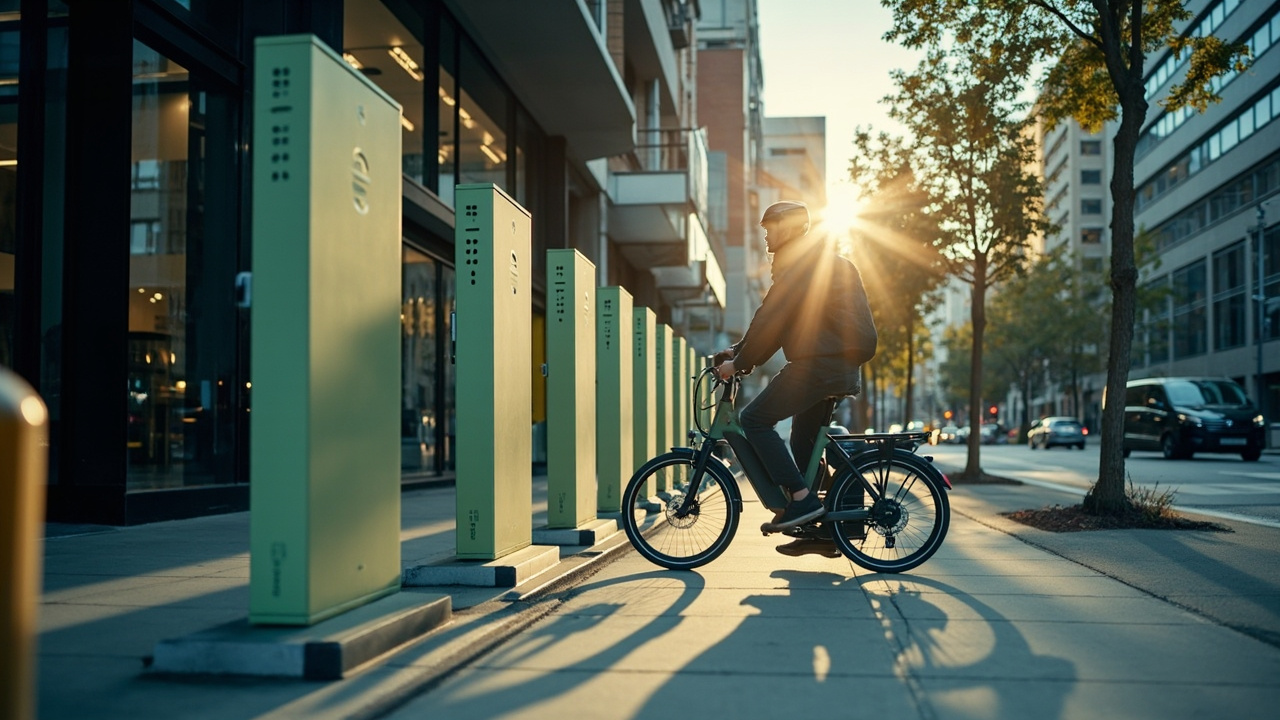
Driven by fire-safety concerns and the rise of delivery fleets, battery swap cabinets and centralized community charging are reshaping how two-wheelers get their energy — and standardization is now the industry focal point.
Why Charging Is Moving Out of the Home
A string of high-profile battery fires has led regulators and property managers to restrict indoor charging. The industry response is a shift toward two infrastructure models: monitored community charging sheds for residents, and curbside swap cabinets for riders who cannot afford to wait.
The Case for Swapping
- Speed: a swap takes about 10 seconds versus hours for a charge — critical for food-delivery couriers earning per order.
- Safety: centralized cabinets charge packs under monitoring with per-cell smoke detection and auto-cutout.
- Battery health: the operator tracks every pack by serial, retiring degraded units before they become dangerous.
Standardization Is the Bottleneck
The open question is pack standardization. Swap only works at scale if a rider's battery fits cabinets from multiple operators. Industry bodies are pushing for common 48V pack footprints, and manufacturers who design to the emerging de-facto standard — rather than a proprietary lock-in — will win the network-effect race.
The future of two-wheeler charging is not a faster charger at home — it is infrastructure you never think about. Swap cabinets and smart community sheds are that infrastructure.


